Mestimvsichko — WordPress Website Redesign
Restructuring an existing moving-services website around service discovery, enquiry requirements and responsive implementation.
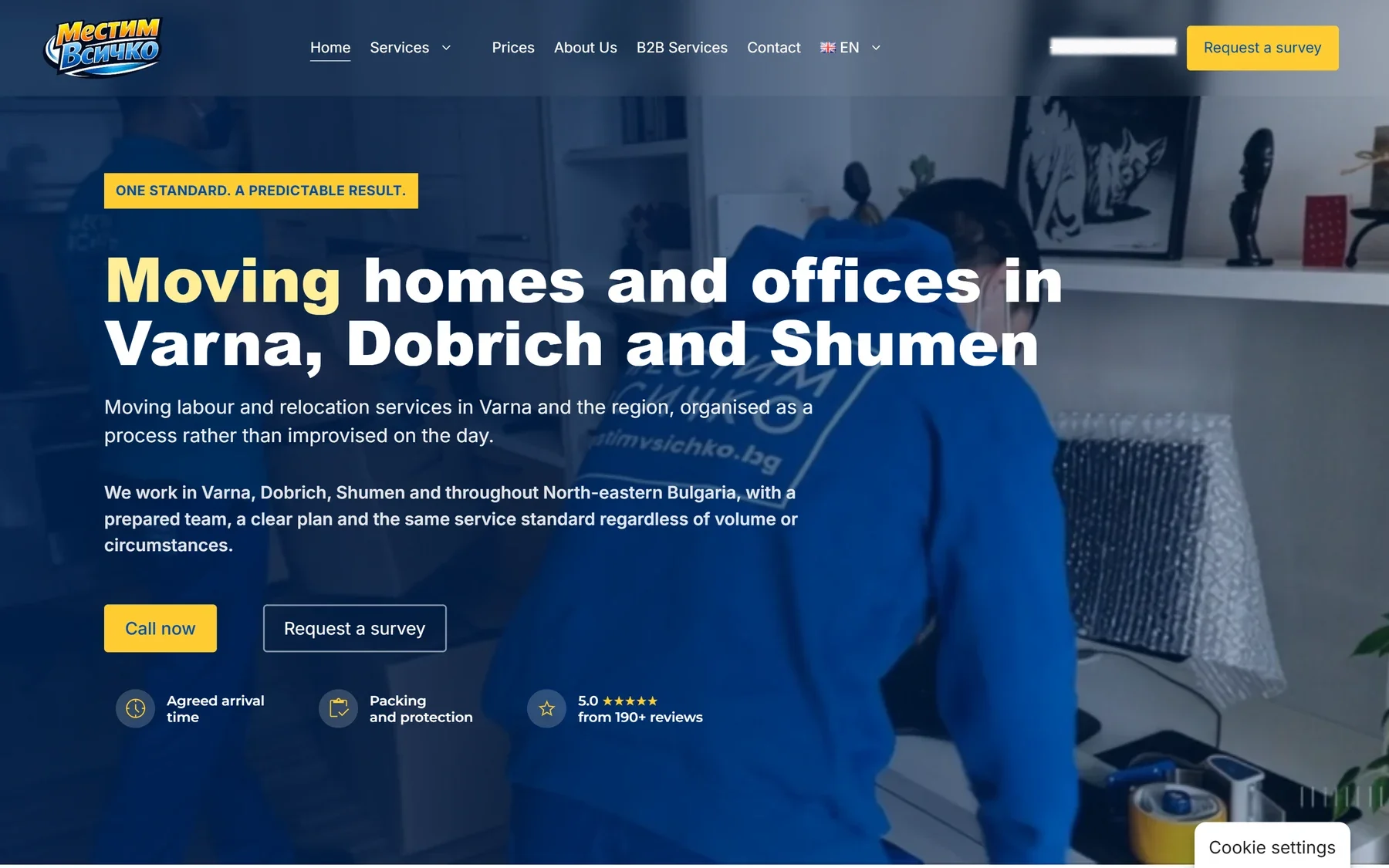
I redesigned Mestimvsichko.bg, a moving-services website based in Varna, Bulgaria. Using the business and service information supplied by the client, I reviewed the existing website and developed a new information architecture, service presentation and enquiry flow. I also handled the responsive WordPress implementation, multilingual website structure, technical SEO and production migration.
An existing website with a fragmented service structure
The original website presented moving services through a relatively flat catalogue, with limited differentiation between service types.
The existing structure did not provide clear paths for visitors with different moving requirements.
The contact process relied on a generic form collecting basic personal information and a free-text message, without systematically capturing the operational details needed to assess a moving request.
The redesign addressed these structural limitations through a revised service hierarchy, more detailed service presentation and a dedicated enquiry process.
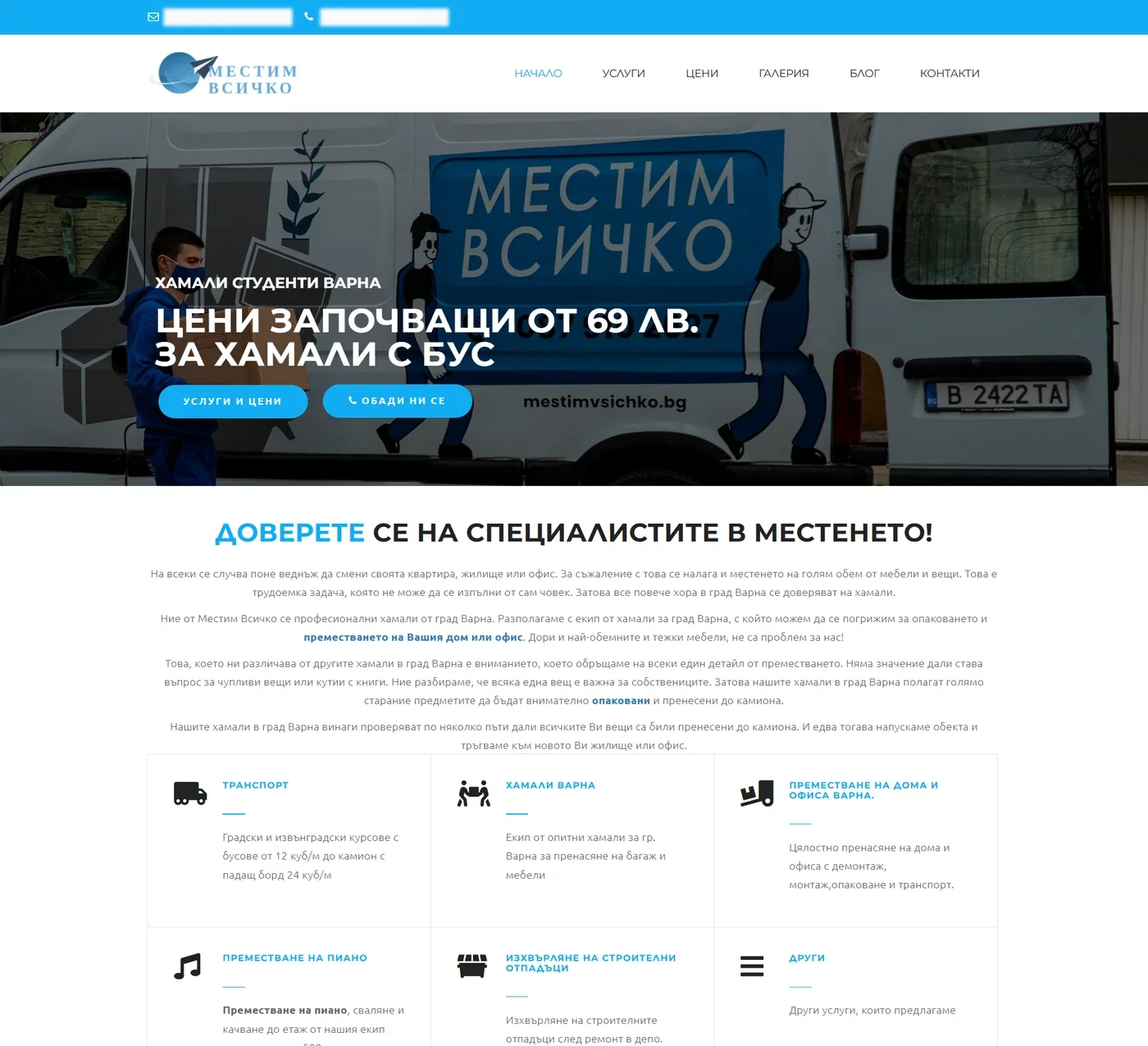
Website analysis, redesign and implementation
The client supplied the underlying business and service information. I personally handled the digital work, including:
- Reviewing the existing website and identifying structural issues.
- Redesigning the information architecture and service hierarchy.
- Structuring service packages and their website presentation.
- Designing a multi-step service enquiry flow.
- Implementing the responsive WordPress website.
- Configuring the Bulgarian, English and Russian website structure.
- Implementing technical SEO.
- Validating the website in staging and deploying the redesigned version.
- Continuing website maintenance.
My responsibility was to organise and implement the client’s business information within a functional website, not to independently define the underlying moving services or commercial terms.
From a flat catalogue to structured service paths
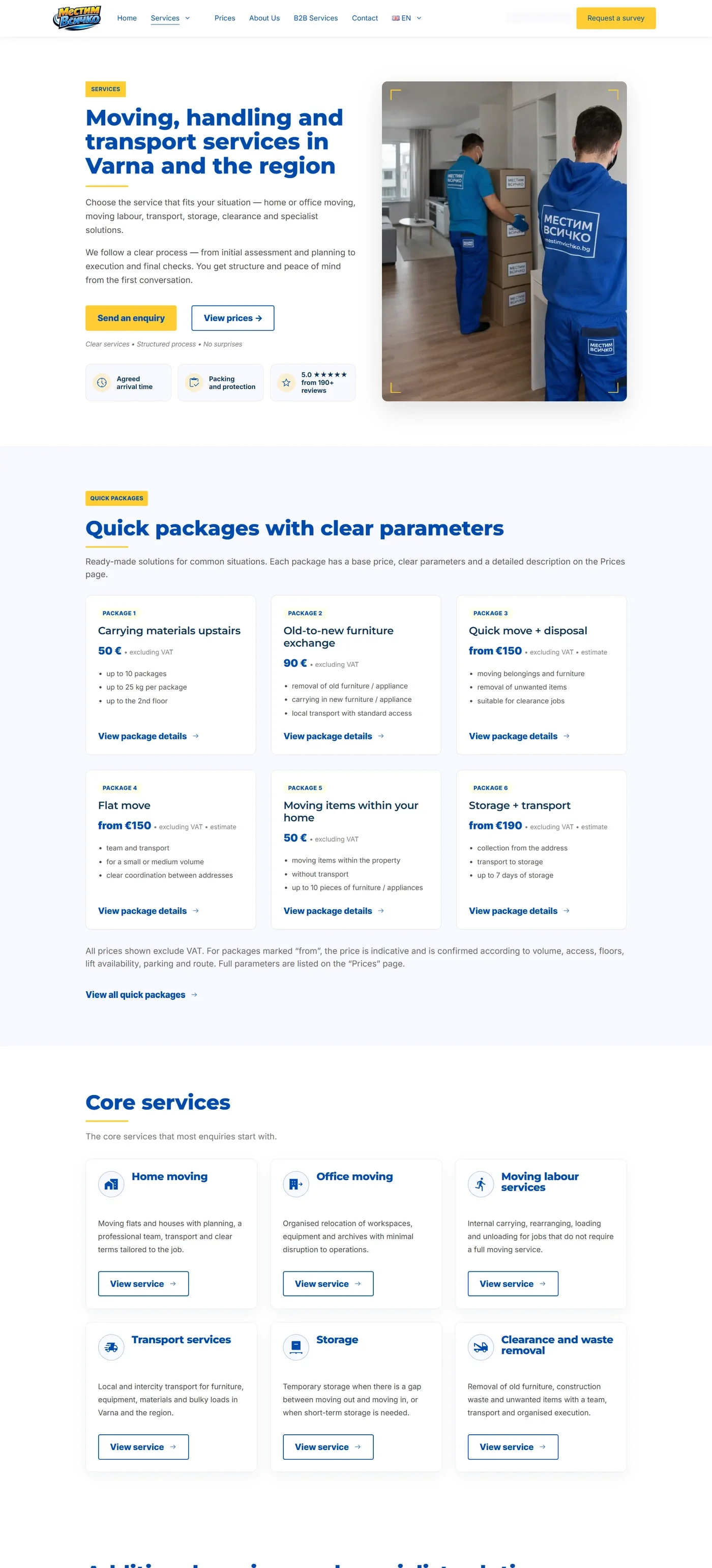
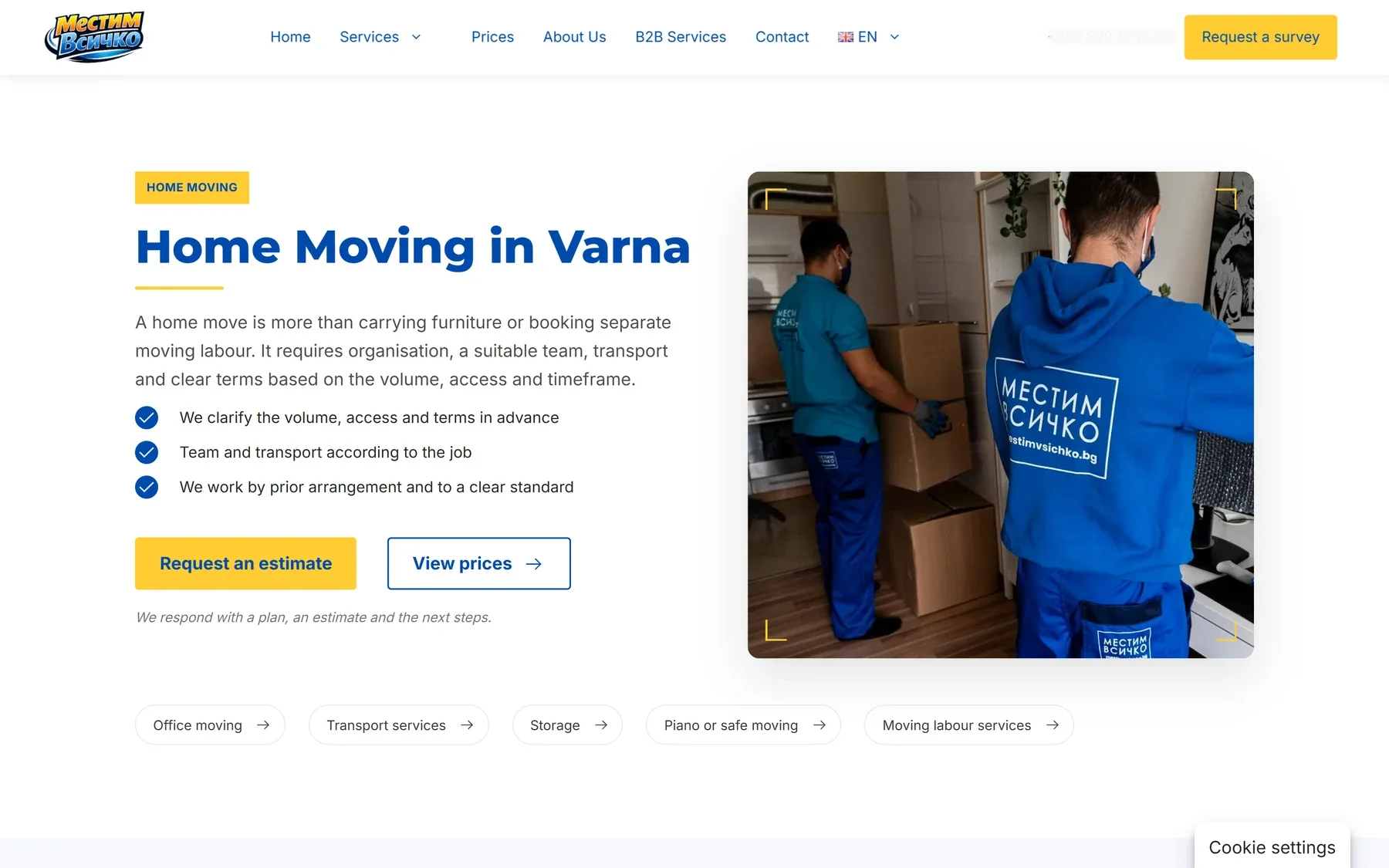
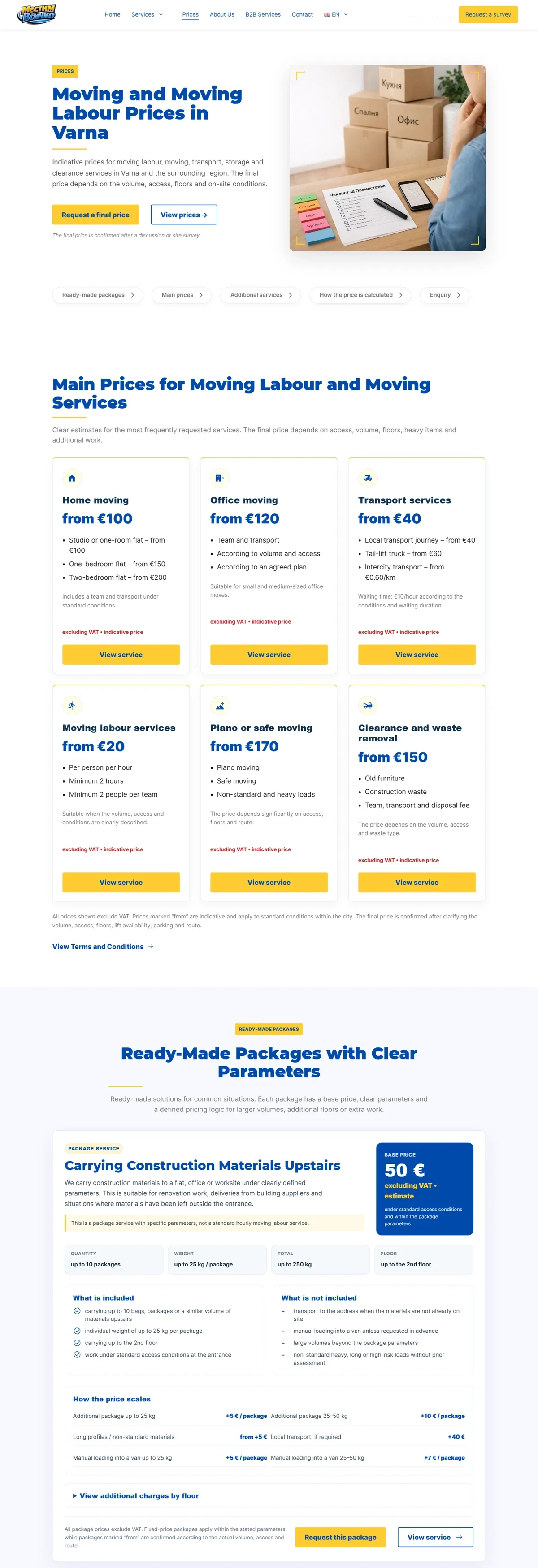
I reorganised the original service presentation into a hierarchy separating core moving services from more specialised requirements.
The revised structure provides dedicated service paths, clearer navigation and a separate presentation of common moving scenarios. It also introduces a B2B service layer within the website’s information architecture.
For common moving requests, I structured the website’s package presentation around comparable service options.
Visitors can review a package’s starting price, included scope, limitations and variable conditions before submitting an enquiry.
The interface moves from an initial comparison of available options to more detailed service information. This gives the website a defined structure for presenting both standard moving packages and more specific service requirements.
Evidence 03A · Service overview
Evidence 03B · Dedicated path
Evidence 03C · Comparable options
From a generic contact form to a structured job brief
The original contact form collected a name, subject, telephone number and free-text message. That format did not systematically capture the service and logistical details relevant to assessing a moving request.
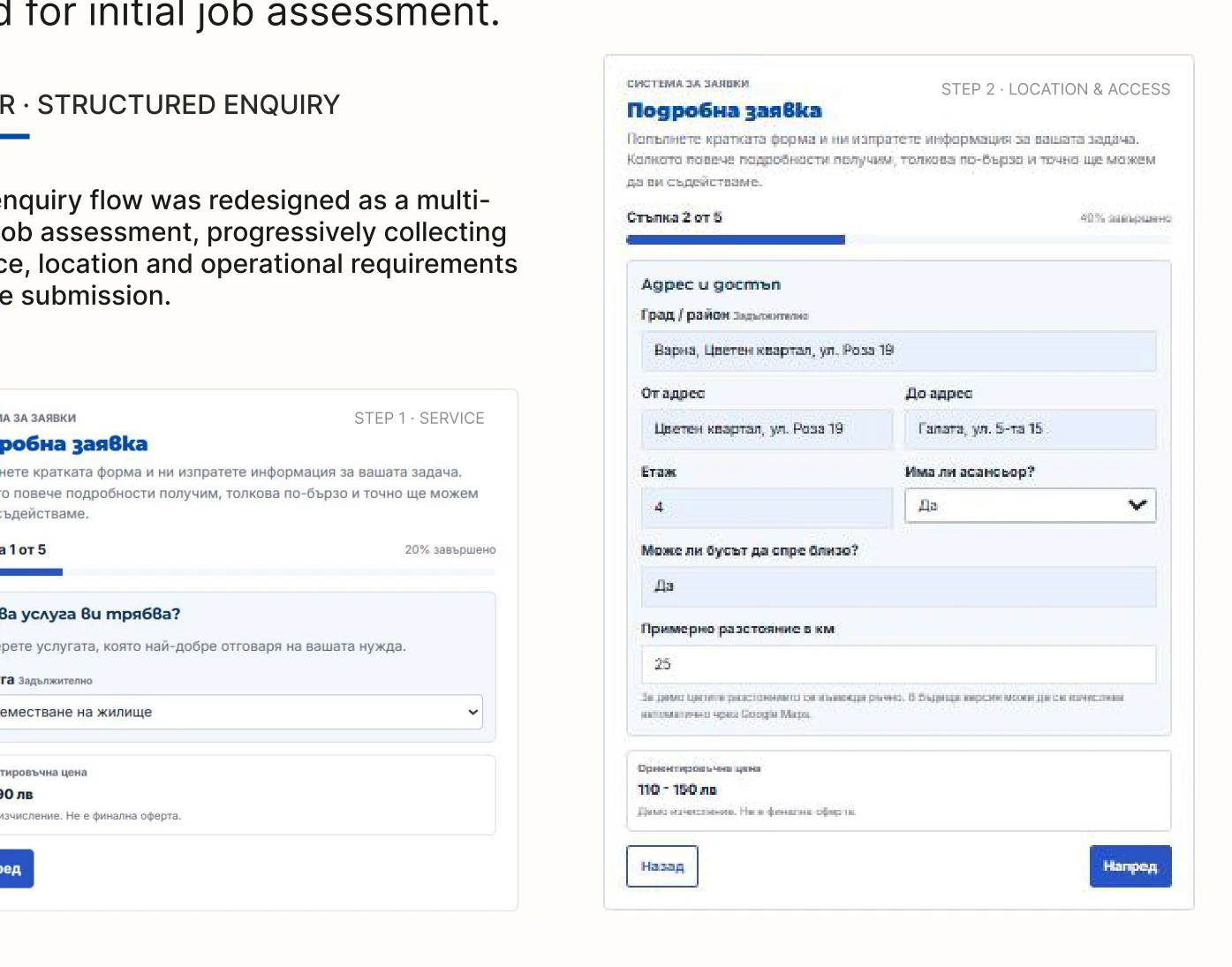
I redesigned the enquiry process as a multi-step form that collects information progressively.
Step 1 — Service requirements: The visitor identifies the required service and provides the initial context for the moving request.
Step 2 — Location and access: The form collects relevant logistical information, including origin, destination, floor level, lift availability and parking conditions.
Step 3 — Structured submission: The collected information forms a more detailed job brief for initial assessment and follow-up.
The revised flow replaces reliance on a single generic message field with a structured collection of service and operational requirements.
Before · documented state
One generic message
- Fields
- Name, subject and telephone number
- Request detail
- Free-text message
- Visual evidence
- Not supplied in the approved project material
Historical redesign · approved evidence
Implementing the redesigned website
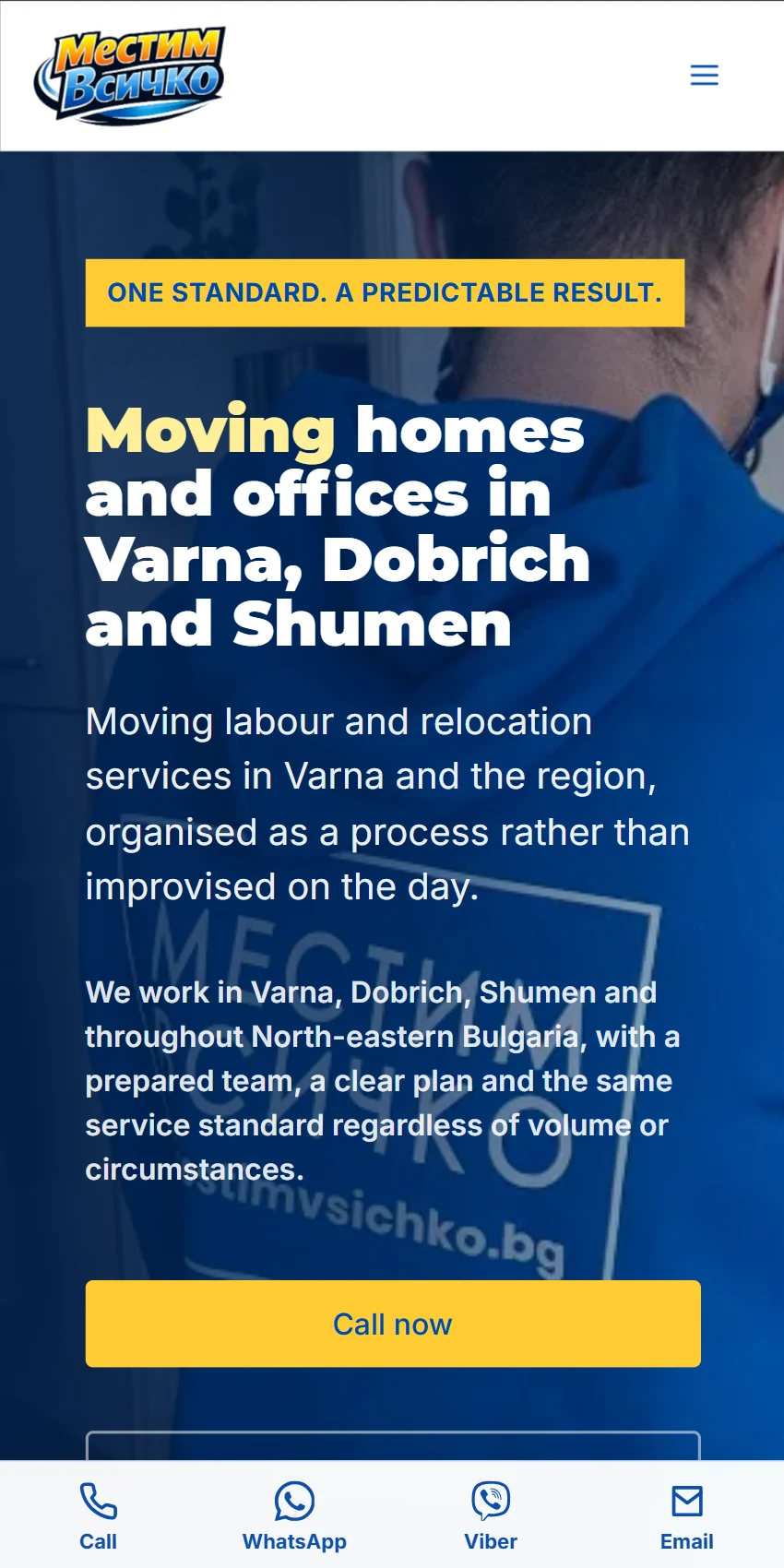
I implemented the redesigned structure in WordPress, using the project’s block-based page structure and custom styling.
The interface includes reusable patterns for service pages, cards, calls to action and content sections.
I adapted layouts, typography and content hierarchy for desktop, tablet and mobile, with particular attention to how service information and enquiry elements behave on narrower screens.
The implementation maintains a consistent structure across the website while allowing detailed service information to remain accessible on mobile devices.
Desktop · English production
Mobile · English production
Bulgarian, English and Russian website versions
The redesigned website includes Bulgarian as its primary language, alongside dedicated English and Russian versions.
I implemented language-specific pages, URLs, navigation paths and corresponding internal page relationships.
The technical SEO work included:
- Page metadata and canonical signals.
- Hreflang and multilingual page relationships.
- XML sitemaps and structured data.
- Indexing controls.
- Language-specific URLs and internal linking.
This provided a coordinated multilingual structure for the redesigned production website.
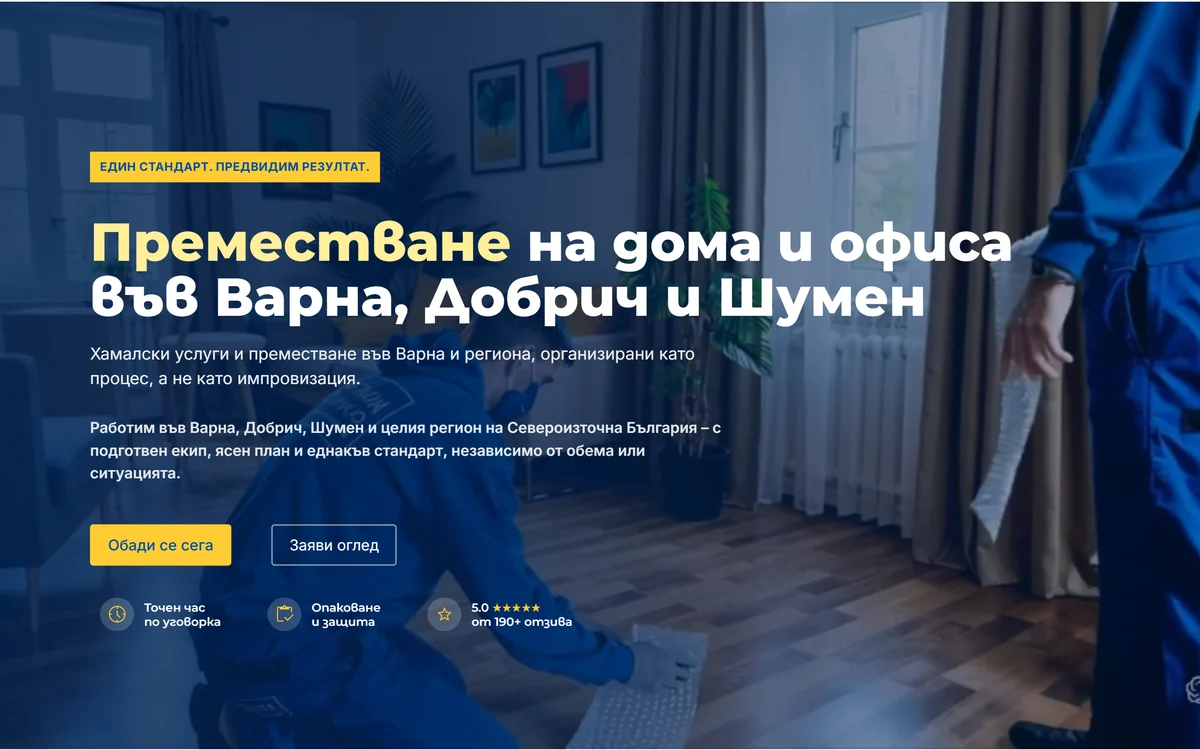
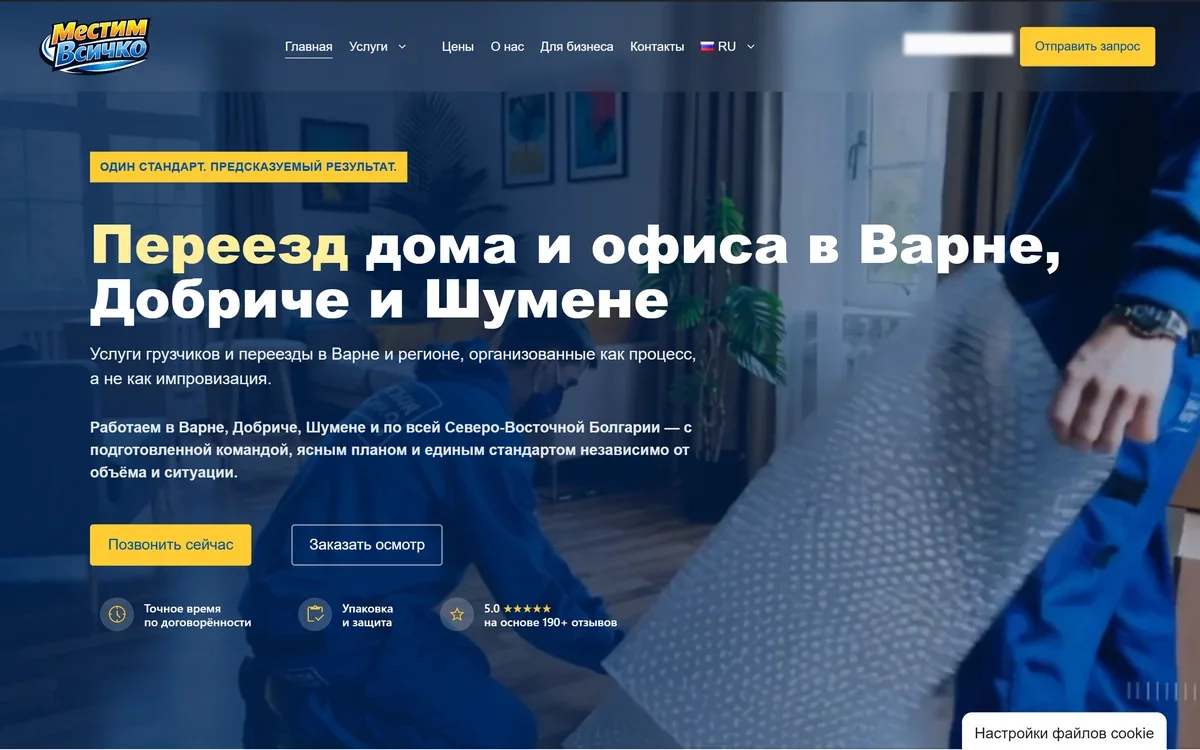
Language evidence · 06 Separate current production captures; this presentation documents website implementation, not personal language proficiency or translation authorship.
From staging to the live website
I validated the redesigned website in staging, checking content, responsive behaviour, navigation and relevant technical configurations.
After validation, I deployed the new version to the production environment and performed final checks on the live website.
The delivered website includes a reorganised service hierarchy, comparable service packages, a multi-step enquiry process, responsive WordPress implementation and coordinated Bulgarian, English and Russian website versions.
I continue to maintain the production website.